_PNG.png)
The Step-by-Step Guide to Relieving Sciatica Pain in Your Leg


If you have ever felt a sharp, shooting, or burning pain traveling from your lower back, through your buttock, and down the back of your leg, you likely know the agony of sciatica.
Sciatica is not a condition itself, but rather a symptom. It occurs when the sciatic nerve—the longest and thickest nerve in the body—becomes pinched or irritated, usually by a herniated disc, bone spur, or spinal stenosis.
When a flare-up strikes, finding relief is your top priority. Here is a step-by-step guide to calming your sciatica pain and knowing when it is time to seek professional medical help.
Step 1: Manage the Initial Flare-Up (The First 48 Hours)
When the pain first hits, your immediate goal is to reduce inflammation and calm the nerve.
Use Cold Therapy: For the first two to three days, apply an ice pack to your lower back (the root of the pain) for 15 to 20 minutes every few hours. This numbs the area and reduces acute swelling.
Switch to Heat: After the first 48 to 72 hours, switch to a heating pad. Heat encourages blood flow to the area, which helps relax tight muscles and speeds up the body's natural healing process.
Find a Relief Posture: Lying flat on your back can sometimes pull on the sciatic nerve. Try lying on your back with a thick pillow elevated under your knees, or lay on your side with a pillow between your knees to take the pressure off your lower spine.
Step 2: Keep Moving (Gently)
While your first instinct might be to stay in bed, strict bed rest is actually one of the worst things you can do for sciatica. Inactivity causes your back muscles to stiffen, which can make the nerve compression worse.
Take Short Walks: Try to take short, gentle walks around the house or down the street. Stop if the sharp pain increases.
Do Gentle Stretches: Focus on stretches that open the hips and gently stretch the lower back. The "Knee-to-Chest" stretch (lying on your back and pulling one knee gently toward your chest) is a great starting point to create space in your lumbar spine.

Step 3: Utilize Over-the-Counter Support
If ice, heat, and stretching are not taking the edge off, over-the-counter anti-inflammatory medications can provide temporary relief.
Take NSAIDs: Non-steroidal anti-inflammatory drugs (like Ibuprofen or Naproxen) are generally more effective for sciatica than acetaminophen because they actively target the inflammation surrounding the pinched nerve.
Note: Always consult with a doctor or pharmacist before starting a new medication to ensure it is safe for your overall health profile.
Step 4: Watch for "Red Flag" Symptoms
Most mild sciatica flare-ups resolve on their own within a few weeks using the steps above. However, severe nerve compression requires immediate medical attention. You should schedule a consultation with a spine specialist if you experience any of the following:
Pain that lasts longer than a week without improvement.
Sudden, severe pain in your lower back or leg accompanied by muscle weakness in that leg (e.g., "foot drop" or an inability to lift your foot).
Numbness or tingling in the saddle area (inner thighs and groin).
Any loss of bowel or bladder control (this is a medical emergency).
Step 5: Explore Advanced Medical Treatments
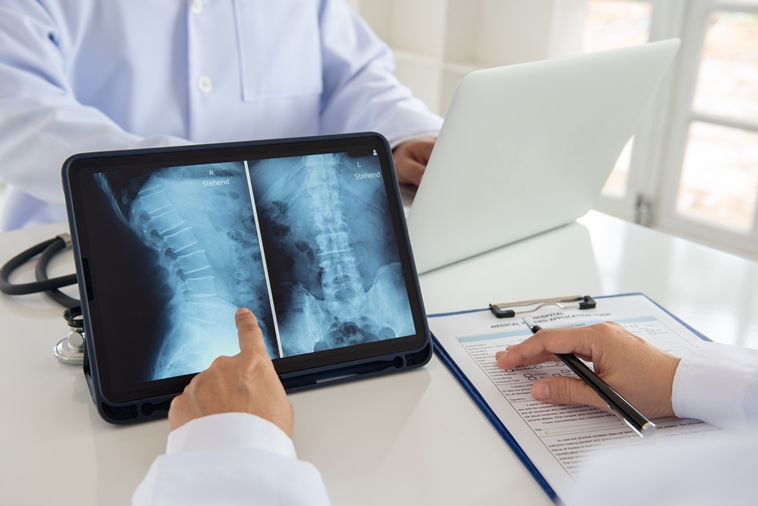
If your sciatica is chronic or debilitating, it is time to find the root cause. At Desert Spine and Scoliosis Center, our philosophy is to treat patients as individuals and explore all conservative options before ever recommending surgery.
Precise Diagnosis: We start with a comprehensive consultation and an MRI review to see exactly where the nerve is being pinched.
Conservative Care: We often recommend targeted physical therapy or epidural steroid injections, which deliver strong anti-inflammatory medication directly to the affected nerve root.
Minimally Invasive Solutions: If conservative treatments fail, we specialize in ultra-minimally invasive procedures like Endoscopic Spine Surgery. This allows us to remove the pressure from the sciatic nerve through an incision smaller than a dime, letting most patients return home the very same day.
Ready to Find the Root Cause of Your Sciatica?
You do not have to live with chronic leg and back pain. If you have an MRI, we offer a comprehensive review to help you understand your options. Contact Desert Spine and Scoliosis Center today or schedule an appointment at our Mesa, Goodyear, or Scottsdale locations to get a personalized treatment plan.


Comments