_PNG.png)
How Does Spinal Fusion Affect Mobility?


Summary: Spinal fusion can reduce some spinal flexibility, but for most patients, it relieves pain and restores active, independent movement. The impact on mobility is minimal compared to the benefits of living without chronic back pain.
Key points:
Mobility loss depends on how many spinal levels are fused and not all fusions significantly limit movement.
Most patients return to regular activities like walking, swimming, driving, golfing, and hiking.
Adjacent segment degeneration (ASD) occurs in only 20-50% of cases and usually years later.
Spinal fusion, in most cases, leads to greater movement and confidence due to pain relief.
It’s a standard, effective treatment when conservation options have failed.
If you’re considering spinal fusion surgery, you’re likely asking one of the most pressing questions: How does spinal fusion affect my mobility? While it is true that spinal fusion changes how your spine moves, most patients are surprised by how little it limits their daily lives compared to the pain they experienced and were living with before surgery.
In this article, we’ll explore the impact of spinal fusion on movement, the realistic side effects, and why many patients can return to the activities they love after undergoing the procedure.
What Is Spinal Fusion?
Spinal fusion is a surgical procedure that permanently joins two or more vertebrae. It’s often recommended when chronic back pain, instability, or conditions like degenerative disc disease do not respond to non-surgical treatments.
By eliminating painful motion between vertebrae, spinal fusion can:
Stabilize the spine
Reduce nerve irritation
Improve overall quality of life
How Spinal Fusion Impacts Mobility
Mobility after spinal fusion depends on how many levels are fused and where in the spine the fusion occurs. A single-level fusion in the lower back, for instance, typically causes only a minor reduction in mobility.
What to expect?
Some loss of range of motion: You may not bend or twist as far as before, especially in the fused area.
Adaptive movement: Other parts of your spine and hips often compensate, allowing for a near-normal return to function.
Improved stability: Many patients find they move far more confidently once their pain is reduced.
Many patients have reported being able to return to:
Walking and light exercise
Driving
Gardening
Playing low-impact sports like golf or pickleball
In most cases, spinal fusion doesn’t stop you from doing what you love; it allows you to do it without the pain.
Realistic Spinal Fusion Side Effects
Every medical procedure or surgery can have trade-offs. Spinal fusion is no exception, but the side effects of spinal fusion are usually more manageable and often outweighed by the benefits of reduced pain, improved function, and increased quality of life.
The most common side effects may include:
Stiffness in the fused area
Muscle soreness during early recovery
Temporary limits on activity during healing
With physical therapy and consistent care, the majority of patients regain confidence and comfort in their movements within months.
Long Term Effects of Spinal Fusion: What You Should Know

Spinal fusion’s long term effect includes adjacent segment degeneration (ASD). When one part of the spine is fused, nearby segments may experience increased stress and wear over time.
What does that mean for you?
ASD affects only 20-50% of patients
It is more common in multi-level fusions
It may require additional surgery later
However, it’s important to note that 70-80% of patients do not experience this complication—those who do often have years of improved function before needing any further treatment. Early intervention, regular checkups, and strengthening exercises can help preserve spine health.
Why Spinal Fusion Isn’t Life-Limiting
There is a prevalent myth that spine fusion drastically limits your lifestyle. The truth is that most patients go on to live active, fulfilling lives after their surgery. You might move differently than you did before, but that does not mean moving less.
Remember:
A fused spine doesn’t mean a sedentary life
Many patients go back to golfing, hiking, swimming, or traveling.
The real limitation is often the pain before the surgery, not the fusion itself.
Patients often tell us that they would rather have that slightly limited, different mobility than go back to that chronic, daily, sometimes unending pain.
Individualized Care Makes a Significant Impact
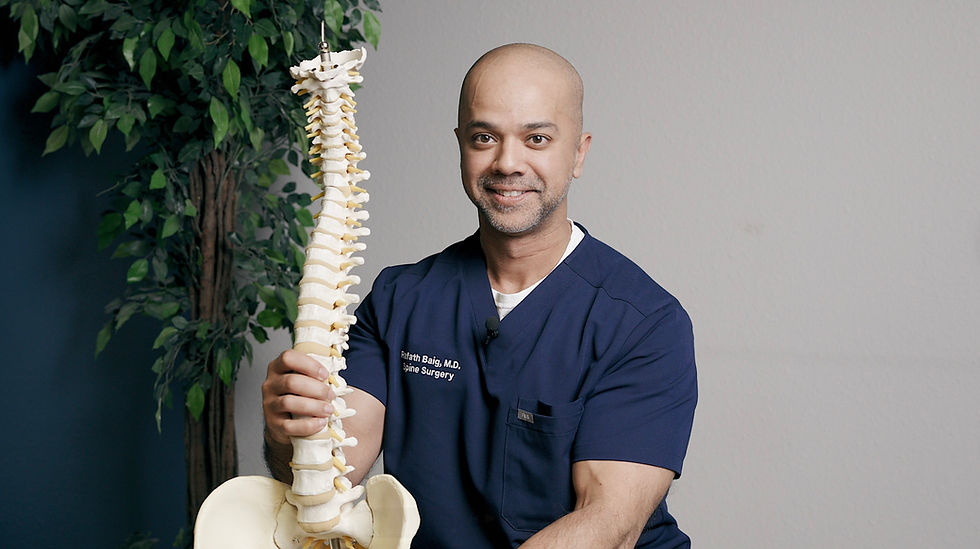
At Desert Spine™ and Scoliosis Center, we do not believe in a one-size-fits-all approach. We recognize that no two patients are alike. Dr. Rafath Baig takes a conservative, tailored approach to every single case:
Thorough diagnostic evaluations
Exhausting non-surgical options first
Using minimally invasive techniques wherever and whenever possible
Spinal fusion is only considered when it is the most effective way to restore stability and relieve pain.
Regaining Life, Not Losing It
So, how does spinal fusion affect your mobility? It may limit motion in one part of your spine, but it often unlocks the freedom to move again without severe pain. While adjacent segment degeneration is a real consideration, it does not define the procedure’s success or your future.
With empathetic, compassionate guidance and care, spinal fusion could be the turning point toward a more mobile, active life.
If you are standing at the edge of this decision and unsure of what comes next, now this: thousands just like you were, and are standing there, too. Your path forward doesn’t have to continue to be filled with uncertainty.
Let Desert Spine™ and Scoliosis Center Walk that path with you.
Reach out to us today to explore your treatment options, review your MRI, or simply get the answers you deserve. We’re here to help you take the next step forward—stronger, steadier, and more confident than ever.


Comments